A DST lets 1031 exchange investors own a fractional interest in large, professionally managed properties. Here’s how DSTs work, where they fit and how they compare with owning a NNN property directly.
A Delaware Statutory Trust (DST) is a way to own a share of institutional-quality real estate without managing it. A sponsor buys the property, investors purchase beneficial interests in the trust and the sponsor handles everything from leasing to the eventual sale. Because a properly structured DST qualifies as 1031 exchange replacement property, DSTs have become a popular option for investors who want to defer taxes and step away from active management.
A real estate company, called the sponsor, acquires one or more properties and places them in a Delaware Statutory Trust (DST), either debt-free or with long-term, non-recourse financing already in place.
Investors, often completing a 1031 exchange, purchase fractional beneficial interests in the trust. IRS Revenue Ruling 2004-86 lets a qualifying DST interest count as real estate for 1031 purposes.
The sponsor runs the property and distributes income to investors. When the property sells, often after 5 to 10 years, investors receive their share and can often exchange again.
A properly structured DST qualifies as like-kind replacement property, so you can defer capital gains taxes just as you would buying real estate directly.
No tenants, leases or repairs to manage. The sponsor handles operations, and investors receive their share of the income.
Many offerings start around $100,000, which makes it easier to place leftover exchange funds or spread money across several properties.
DSTs can often close quickly, so many investors list one as a backup on their 45-day identification in case a property deal falls through.
One investment can own pieces of several properties, tenants, property types and markets.
Debt-free (all-cash) DSTs suit investors who don’t need to replace debt. Leveraged DSTs carry non-recourse financing that can help satisfy the debt-replacement requirement of your 1031 exchange.
DSTs typically hold larger properties than most individual investors would buy on their own. Common property types include:
Apartment communities, often in growing Sun Belt markets, including portfolios of several properties.
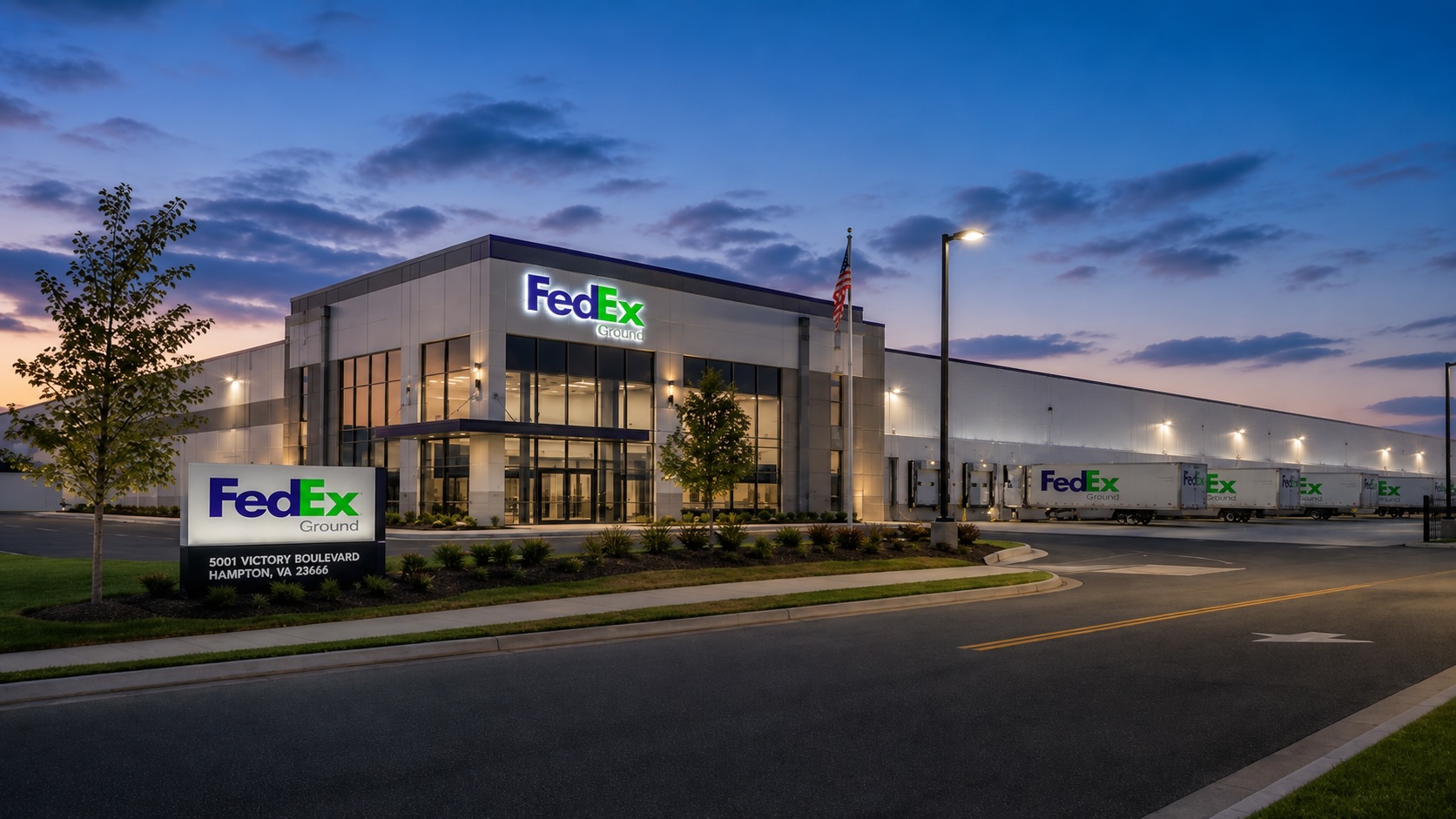
Warehouses, logistics and last-mile distribution facilities leased to national tenants.
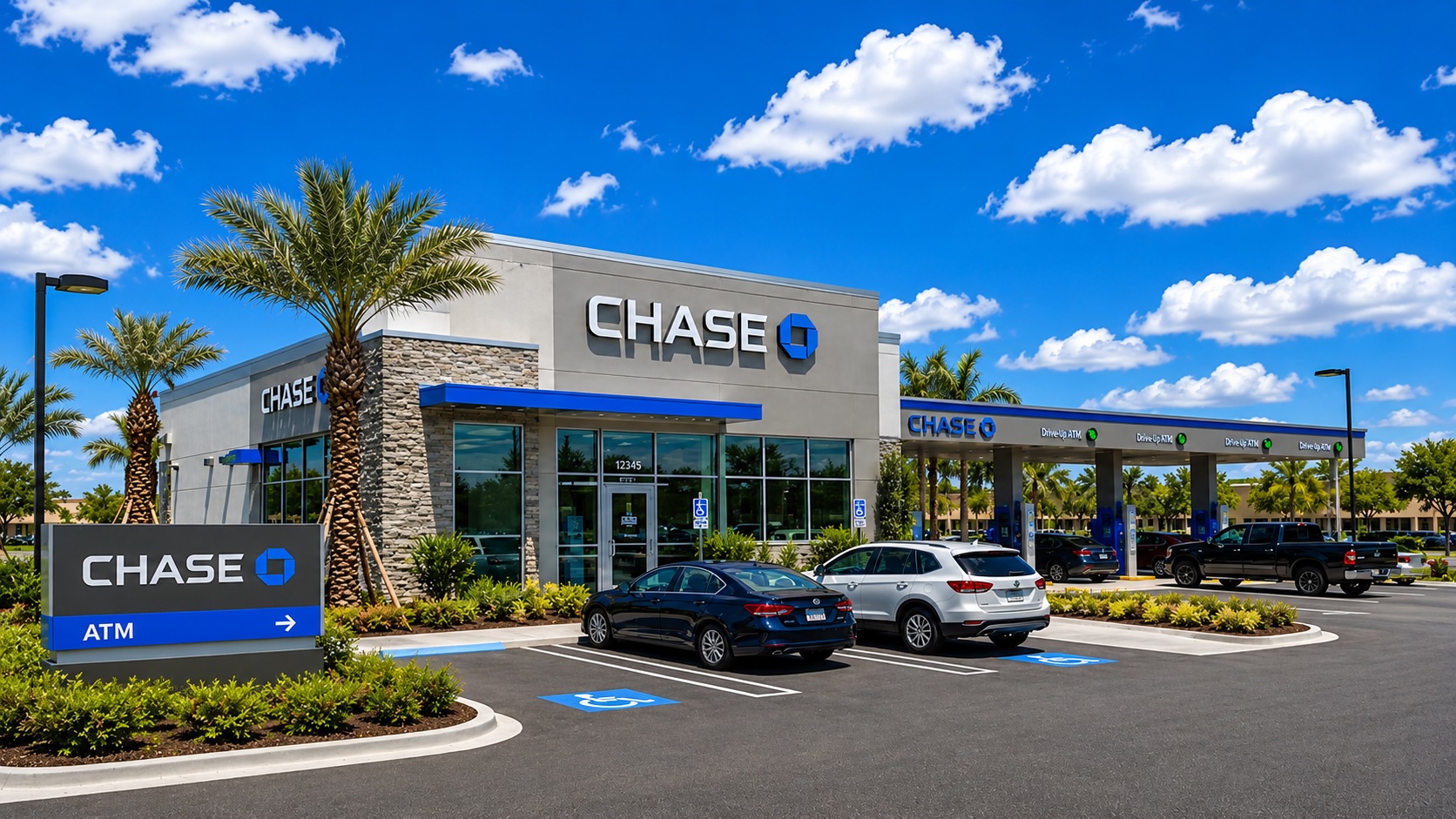
Portfolios of single-tenant properties such as pharmacies, dollar stores and quick-service restaurants.
Outpatient and medical office buildings leased to healthcare providers.
Storage facilities run by experienced operators.
Specialized housing operated by experienced managers.
You can’t make decisions about the property. IRS rules also limit what the trust itself can do, such as renegotiating leases or raising new capital.
There’s generally no public market for DST interests, so plan to hold until the sponsor sells.
The sponsor decides when to sell, so you don’t control the timing of your next exchange or your tax bill.
Offering costs, commissions and sponsor fees are typically higher than buying a property directly and reduce the amount actually invested.
Most DSTs are private offerings available only to accredited investors.
Like any real estate investment, a DST can lose value. Distributions aren’t guaranteed and depend on how the property performs.
Many DSTs are set up with a possible 721 exchange, named for Section 721 of the tax code. Instead of selling for cash, the DST’s property is contributed to a REIT’s operating partnership, and investors receive operating partnership (OP) units in exchange, generally without triggering tax. This is often called an UPREIT. In many DSTs, the sponsor decides whether it happens.
Owning a NNN property directly keeps your options open: you can keep exchanging into new real estate for as long as you like. General information only, not tax advice. Talk with your CPA about your situation.
| Owning NNN Directly | DST | |
|---|---|---|
| Control | You choose the property, negotiate the price and decide when to sell | The sponsor makes all decisions |
| Management | Minimal; the tenant handles most costs | None |
| Typical Minimum | Enough to buy an entire property | Often around $100,000 |
| Financing | You arrange the loan | Debt-free (all-cash) or leveraged with built-in, non-recourse debt |
| Fees | Standard closing costs; our buyer representation is free | Offering costs and sponsor fees |
| Liquidity | Sell any time at market price | Generally held until the sponsor sells |
| Tax Benefits | 1031 eligible; depreciation on fee-simple deals | 1031 eligible; depreciation passed through |
| Who Can Buy | Anyone | Generally accredited investors |
To fully defer taxes in a 1031 exchange, you generally need to reinvest all of your equity and buy at least as much as you sold, which usually means replacing your debt. Finding one property that matches those numbers exactly is hard.
That’s where combining the two works well. You buy the NNN property that fits your goals, then place the leftover equity in a DST so nothing is left behind as taxable boot. A leveraged DST can also help cover part of the debt you need to replace.
We’ll help you find and buy the NNN property, and we can connect you with a licensed securities professional for the DST portion.
Simplified illustration that ignores closing costs. Confirm your numbers with your qualified intermediary and CPA.
You have 45 days after your sale to identify replacement property in writing, and if your deals fall through, the exchange can fail. Listing a DST as a backup alongside your NNN targets is a common way to protect against that. Over the years, many of our 1031 clients have listed a DST as a backup on their 45-day identification, a simple safety net if a property deal falls through late in the exchange.
You can identify up to three properties of any value. A typical setup is your first-choice NNN property, a second NNN option and a DST as the backup.
Or you can identify any number of properties as long as their combined value doesn’t exceed 200% of the price of the property you sold.
DST offerings are already purchased and financed by the sponsor, so investors can often close within days if a property deal falls apart late in the exchange.
How many offerings have they completed, and how did past investments perform through full cycle?
Ask for all upfront and ongoing costs, including commissions, offering costs and sponsor fees, and how much of your money actually goes into the property.
Check the loan-to-value, the interest rate and when the loan matures compared with the planned hold period.
Look at tenant credit, lease terms and how much income depends on any single tenant.
Find out the expected timeline, how the sale will be handled and whether a 721 UPREIT exit is possible.
IRS rules limit a DST’s ability to raise new money, so ask how repairs and vacancies would be covered.
Make sure they’re paid from property income, not from reserves or your own capital.
Decide whether you need a debt-free or leveraged DST to complete your exchange.
We’ll walk through your exchange, timeline and goals to see whether owning a NNN property directly, a DST or both makes the most sense.
If owning the real estate is the right fit, we represent you in the purchase at no cost to you, from sourcing through closing.
If you’d like to look at DSTs, we’ll connect you with a licensed securities professional who specializes in DST offerings.
A DST is a legal entity that holds title to one or more investment properties. Investors buy a fractional beneficial interest in the trust and receive their share of the income, while a professional sponsor manages the properties.
Yes, when it is properly structured. IRS Revenue Ruling 2004-86 allows a beneficial interest in a qualifying DST to be treated as an interest in real estate, so it can serve as 1031 exchange replacement property. Confirm your situation with your CPA or tax advisor.
Minimums vary by offering. Many DSTs start around $100,000 for 1031 investors, and some allow less.
Most DSTs are private offerings limited to accredited investors, which generally means meeting income or net worth thresholds set by the SEC.
The sponsor decides when to sell. Hold periods commonly run about 5 to 10 years, and investors generally can't choose their own exit date. When the property sells, investors can often do another 1031 exchange.
It depends on your goals. A DST offers fully passive ownership and smaller minimums but gives up control, liquidity and pricing transparency, and fees are typically higher. Owning a NNN property directly gives you control over the asset, the lease and the timing of a sale. Many 1031 investors use both.
Often, yes. A common approach is to buy a NNN property with most of the proceeds and place the remainder in a DST so all of the exchange funds are reinvested. Confirm the details with your qualified intermediary and CPA.
Yes. To fully defer taxes, you generally need to replace the debt paid off on the property you sold, either with new debt or additional cash. Leveraged DSTs carry non-recourse financing that counts toward that requirement, while debt-free (all-cash) DSTs suit investors who don't need to replace debt. Confirm your numbers with your qualified intermediary and CPA.
A 721 exchange, often called an UPREIT, lets the owners of a property, often a DST, contribute it to a REIT's operating partnership in exchange for operating partnership (OP) units, generally without triggering tax. Many DSTs are set up with a possible 721 exit, and the sponsor typically decides whether it happens.
Generally no. Once you hold OP units, you can no longer 1031 exchange that investment back into real estate, and converting units into REIT shares or selling them is generally taxable. Your heirs may receive a stepped-up basis. Confirm with your CPA.
Generally, an individual with a net worth over $1 million, not counting their primary home, or income over $200,000 ($300,000 with a spouse) in each of the last two years with the expectation of the same this year. Certain licensed financial professionals also qualify.
No. Solid Investments FL is a licensed real estate brokerage, not a securities broker-dealer. We help you decide whether direct NNN ownership fits your goals and, if you'd like to explore DSTs, connect you with a licensed securities professional.

Talk with us first. We’ll help you compare your options and point you in the right direction.
📞 954-296-6955 | 11015 Gatewood Dr Suite 102, Lakewood Ranch, FL 34211