NNN Tenant Profile · Convenience & Fuel
Wawa
NNN Ground Leases
Long-term ground leases on large signalized corners, from a buyer’s broker with 6 Wawa closings in Florida, Wawa’s largest market.
Long-term ground leases on large signalized corners, from a buyer’s broker with 6 Wawa closings in Florida, Wawa’s largest market.
A Wawa NNN property is a convenience store and fuel station leased to Wawa, Inc., most often on a 20-year ground lease. You own the land, Wawa builds and owns the store, and Wawa pays the property taxes, insurance and maintenance. Rent typically steps up every five years, and the sites are large: usually 2 to 3 acres at signalized corners. Because you own only the land, a Wawa ground lease is about as passive as net lease investing gets, which is why Wawas trade at some of the lowest cap rates in the convenience-store sector and are a favorite of 1031 exchange buyers.
Solid Investments FL has represented buyers on 6 Wawa transactions, all in Florida, from our first Orlando ground lease in 2012 to a brand-new Sanford ground lease that closed in July 2026. See them all in our track record. Our buyer representation is always free to you.
| Tenant | Wawa, Inc. (corporate); confirm the entity on each lease |
|---|---|
| Ownership | Privately held |
| Headquarters | Wawa, Pennsylvania |
| Credit rating | No public rating from S&P, Moody’s or Fitch (private company) |
| Stores | About 1,200 in 13 states and Washington, DC; Florida is the largest market with 300+ stores |
| Typical lease term | 20 years on new construction |
| Lease type | Ground lease; Wawa owns the building |
| Rent increases | Commonly 8%–10% every 5 years; some leases hold rent flat for the first 10 years |
| Renewal options | Multiple options; terms vary by lease |
| Typical cap rate (2026) | ~4.5%–5.15% for new 20-year ground leases |
| Typical price range | About $3M–$10M+ |
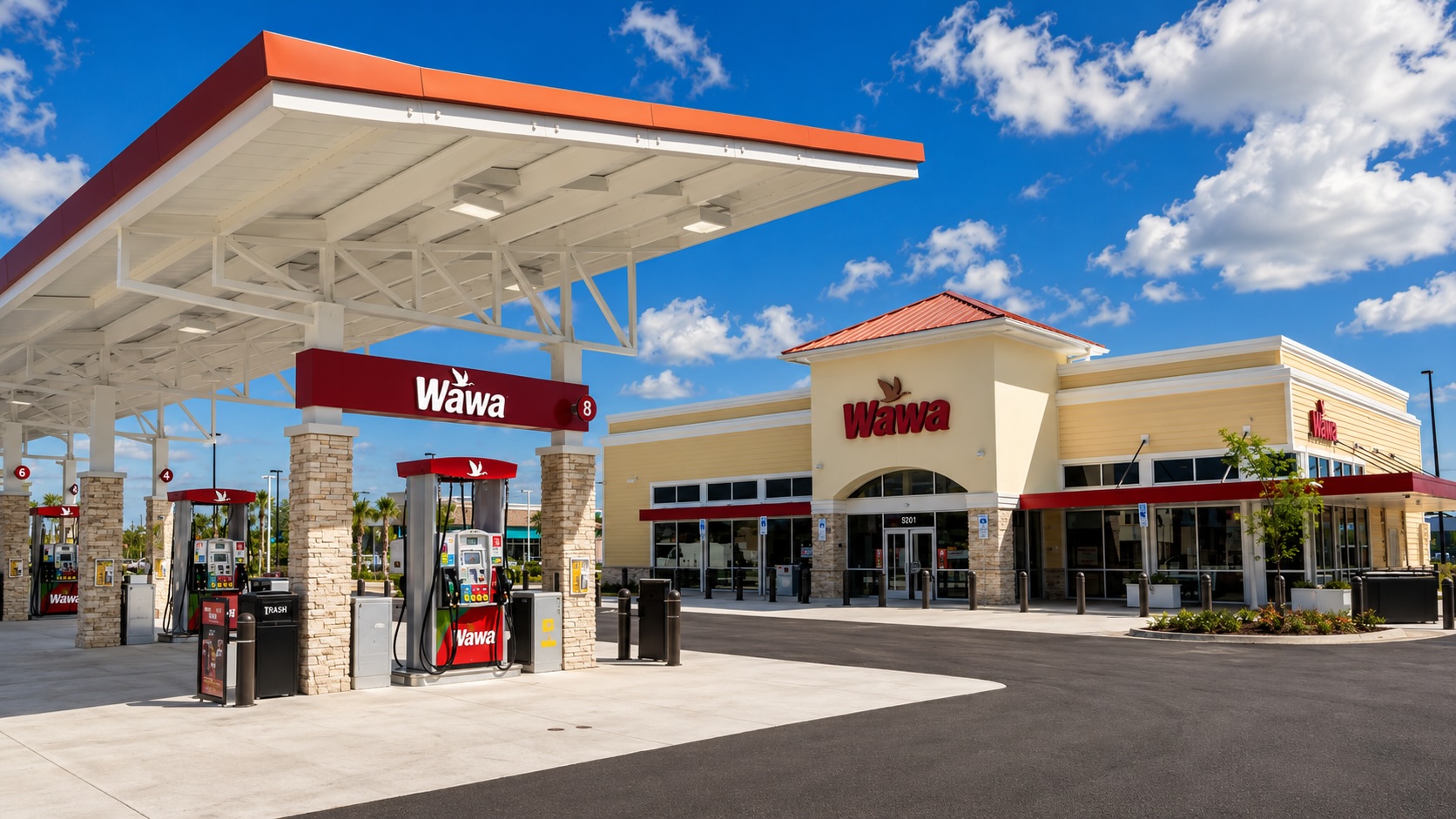
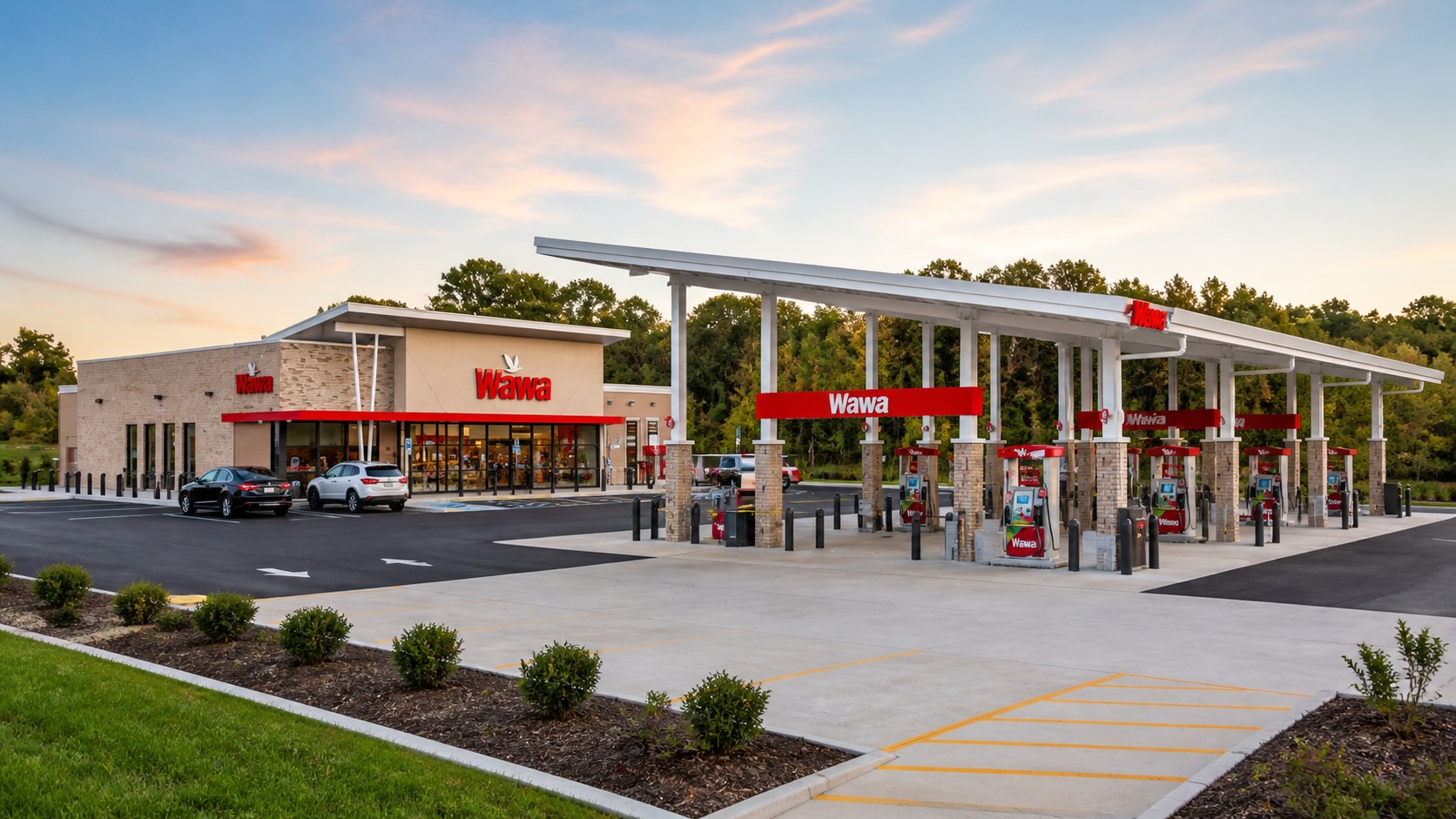
| Typical site | 4,700–6,400 SF store on 2–3 acres |
Store counts as of 2026. Cap rates and pricing reflect current market conditions and vary by deal.
Wawa is privately held and has no public credit rating, and it doesn’t publish full financials. Underwriting leans on brand strength, store performance and, above all, the value of the land you own.
With a ground lease you own the land and Wawa owns the building during the term. If Wawa leaves at the end of the lease and options, you keep a large, well-located corner parcel, which is your downside protection. Check the lease for what happens to the building at expiration.
Not every Wawa lease has the same bumps. Some increase 8%–10% every five years from the start; others hold rent flat for the first decade. Our 2026 Sanford closing, for example, had 8% increases every 5 years, while our 2020 Gainesville closing had 5% increases every 5 years starting in year 11.
Wawas sit on 2–3 acre sites at signalized intersections, often as outparcels to grocery-anchored centers. Traffic counts, access and the underlying land value matter more here than with almost any other tenant.
Wawa has been expanding beyond its Mid-Atlantic and Florida base into states such as Ohio, Indiana, Kentucky, Georgia and Alabama. Stores in established markets like Florida have more sales history behind them.
Every new Wawa sells fuel. Review who is responsible for the underground tanks, the lease’s environmental indemnity, and order a Phase I environmental report before closing.
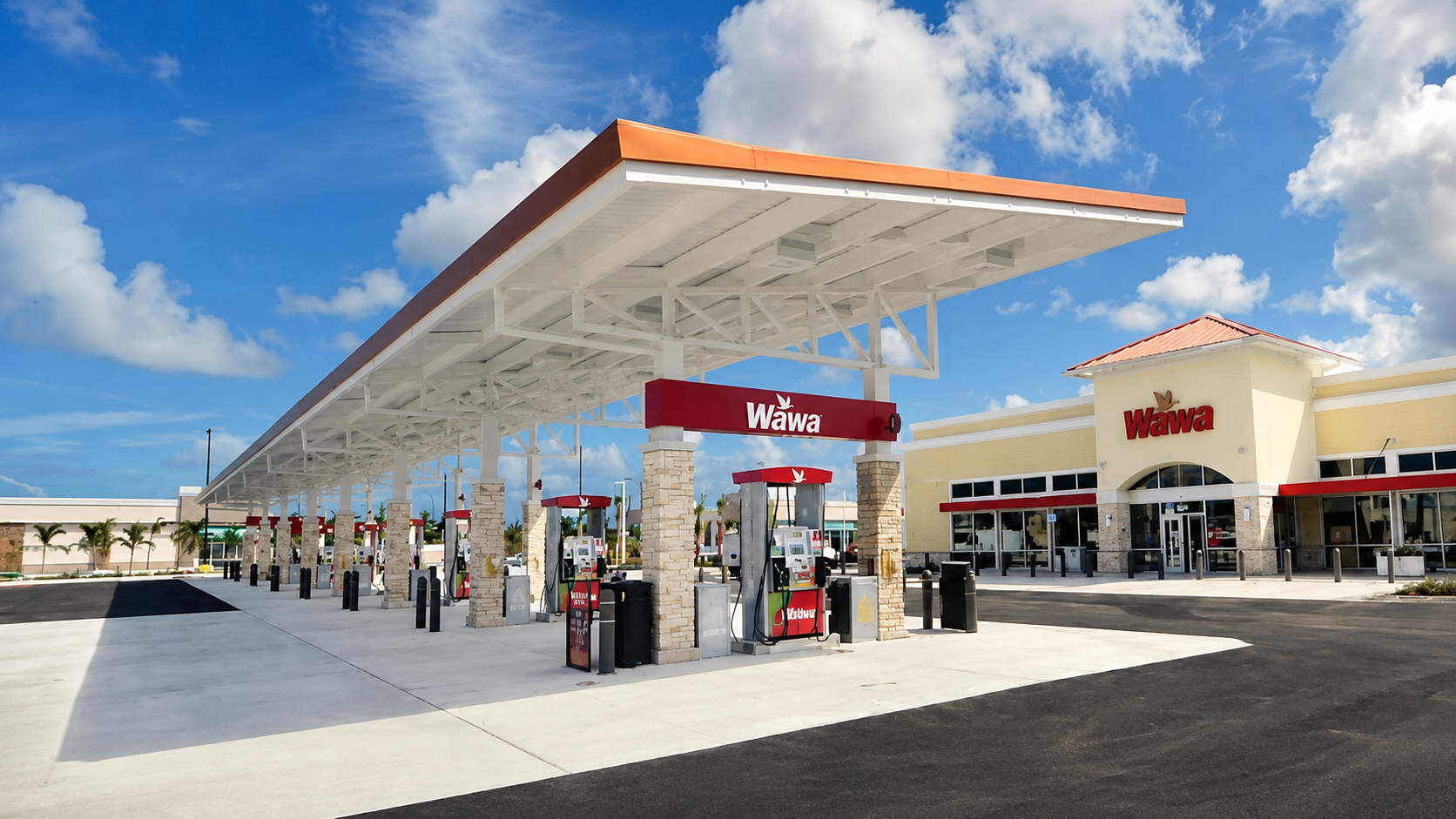
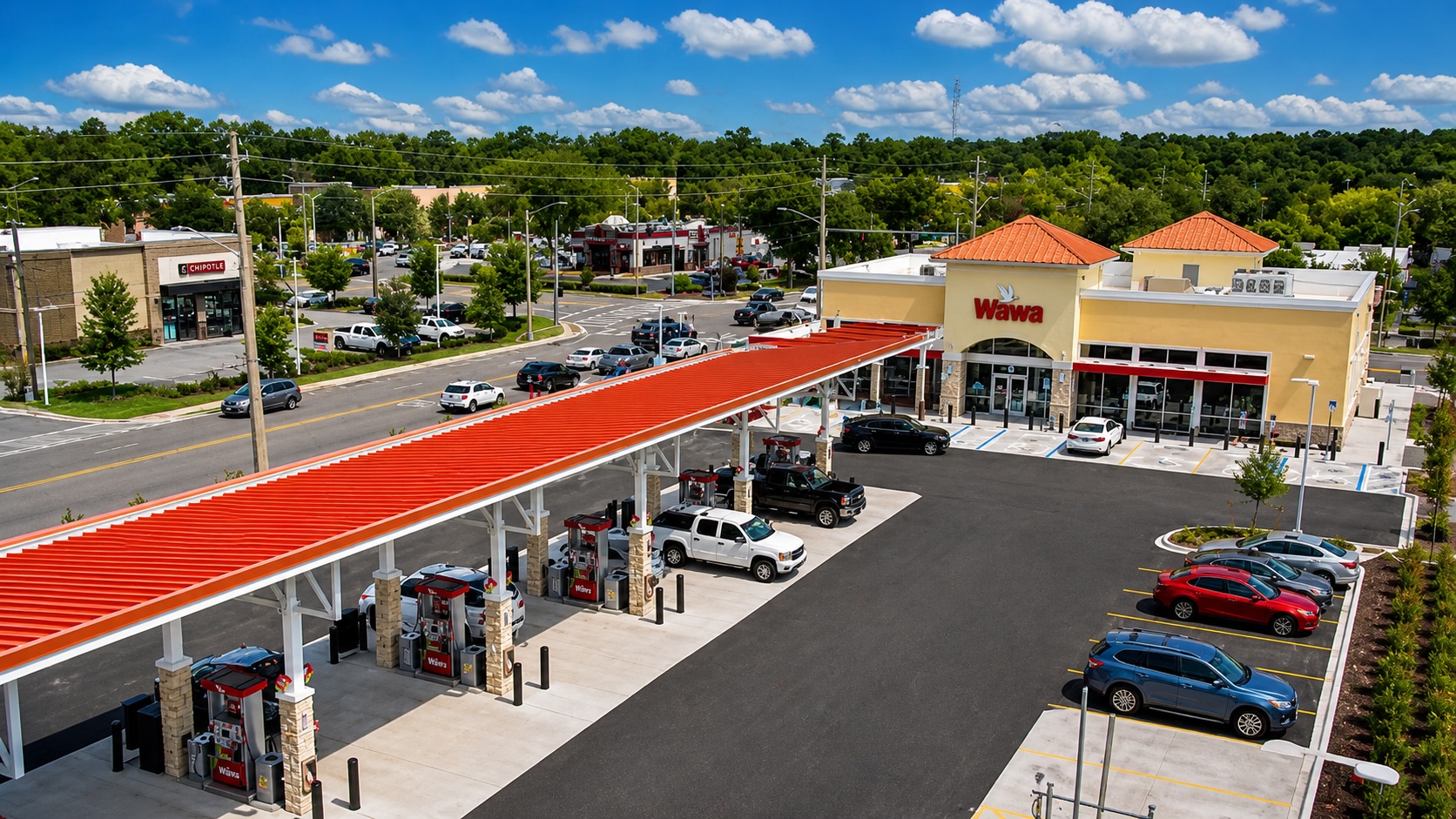
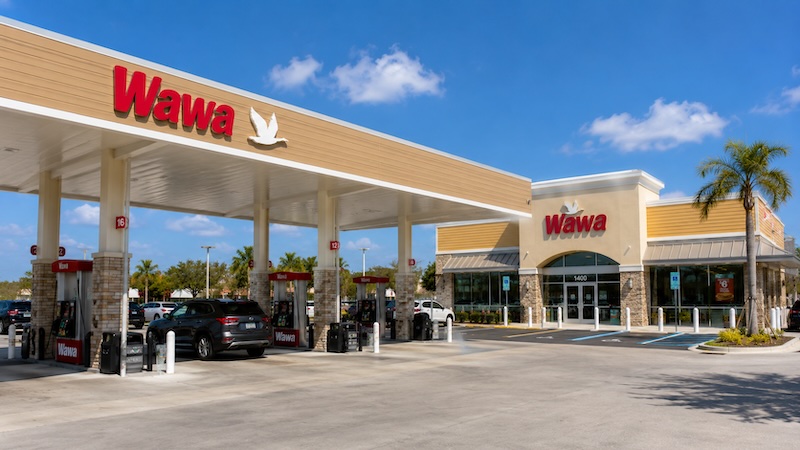
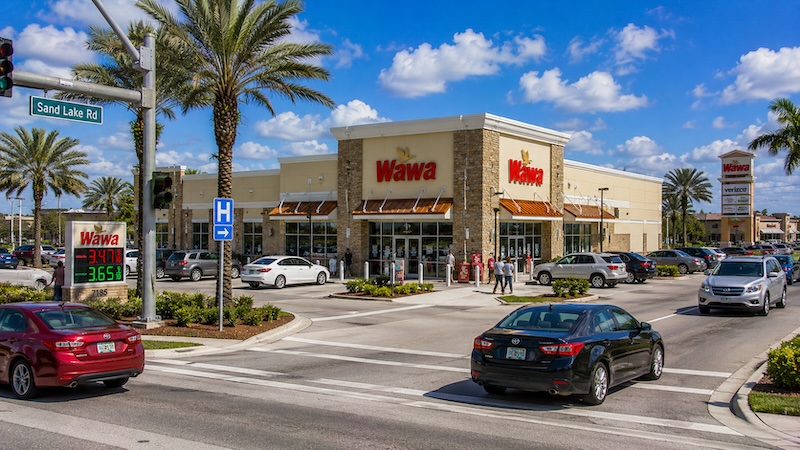
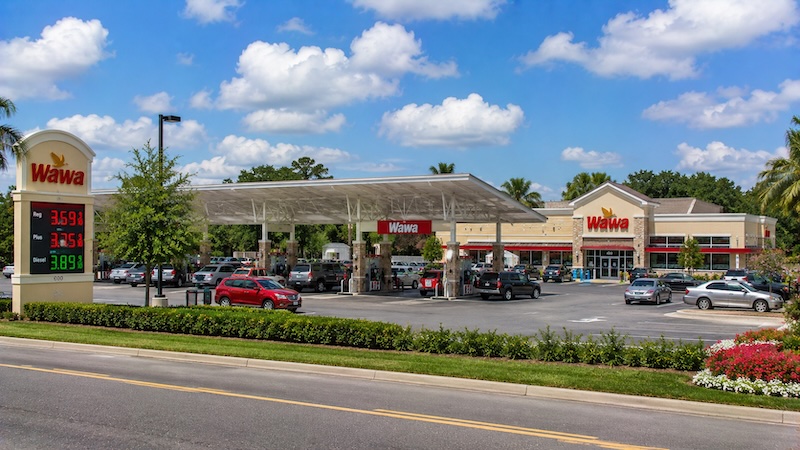
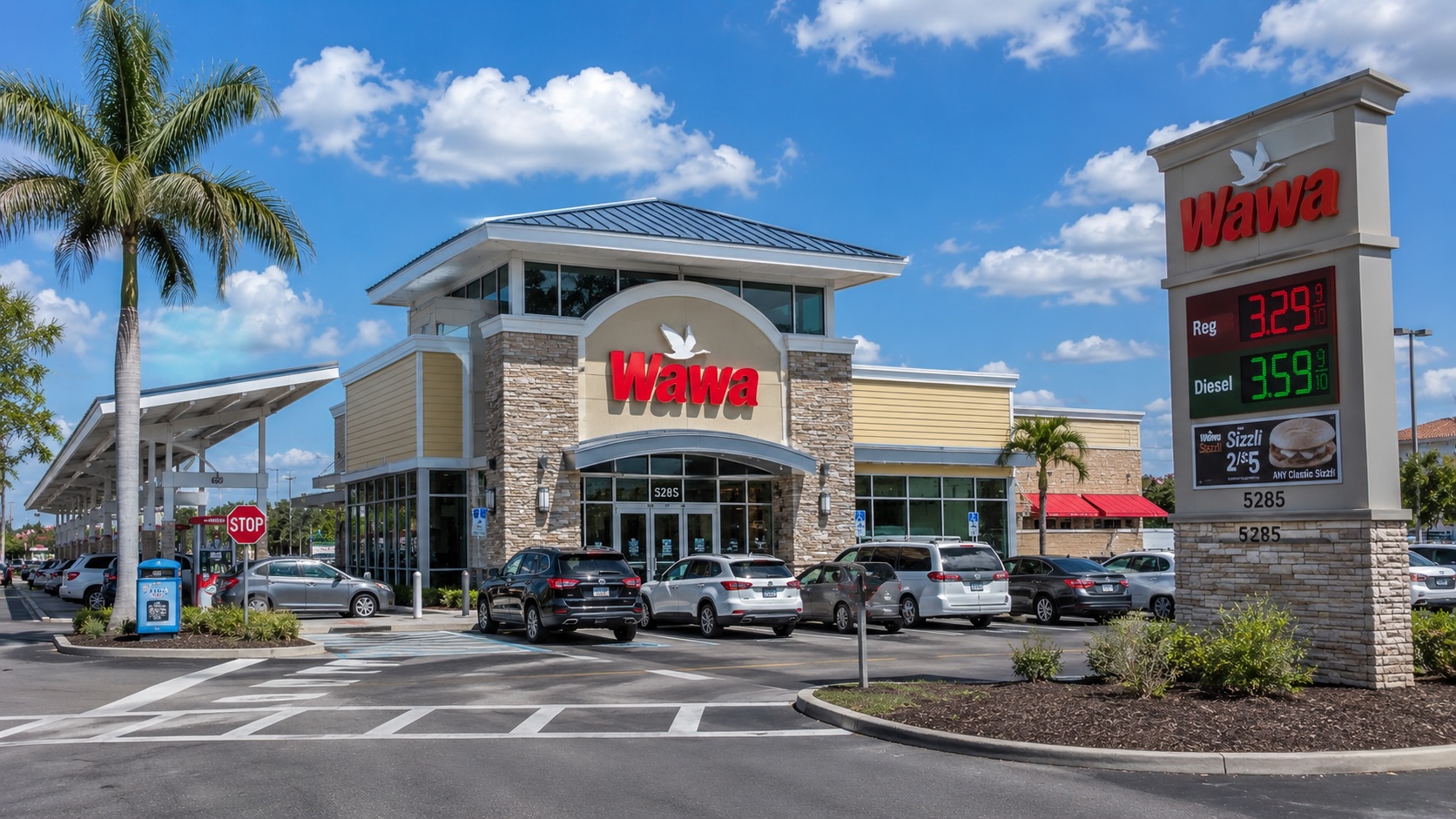
We’ve helped buyers close 6 Wawa transactions across Florida, from Orlando, Oviedo and St. Petersburg to Gainesville and Sanford:
 Convenience / Gas
 Convenience / Gas
 Convenience / Gas
 Convenience / Gas
 Convenience / Gas
 Convenience / Gas
Solid Investments FL is a NNN buyer's brokerage based in Lakewood Ranch (Sarasota), FL, that has represented buyers on 6 Wawa transactions, all in Florida, including a brand-new Sanford Wawa ground lease that closed in July 2026. We help investors and 1031 exchange buyers find, underwrite and close Wawa properties, often off-market, and our buyer representation is free.
As of 2026, new 20-year Wawa ground leases are generally priced around 4.5% to 5.15%. Wawas trade at low cap rates because the investor owns only the land, the sites are large corner parcels, and there are essentially no landlord responsibilities. Our own Wawa closings have ranged from about 4.6% to just under 6%.
New-construction Wawa leases typically run 20 years, most often as ground leases. Rent commonly increases 8% to 10% every five years, although some leases hold rent flat for the first 10 years. Leases include multiple renewal options.
No. Wawa is a privately held company with no public credit rating from S&P, Moody's or Fitch, and it does not publish full financial statements. Investors typically rely on Wawa's brand strength, store performance and the value of the underlying land.
For many investors, yes. A Wawa ground lease offers a 20-year term, scheduled rent increases, zero landlord responsibilities and a large corner parcel as long-term security, which makes it one of the most passive replacement properties available for a 1031 exchange.
General information only, not investment, tax or legal advice. Credit ratings and market data change; verify current figures before investing.
We’ve closed Wawa deals across Florida, Wawa’s largest market. Tell us your budget and timeline; our buyer representation is completely free.
📞 954-296-6955 | 11015 Gatewood Dr Suite 102, Lakewood Ranch, FL 34211